
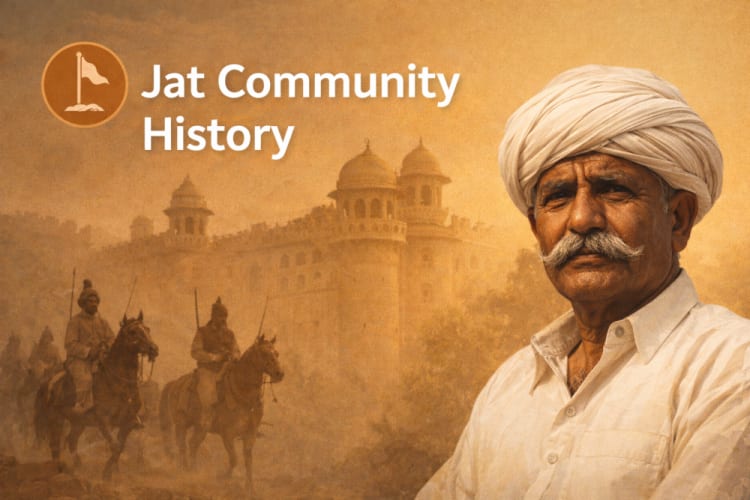
jat community

 By Admin
 (1 reviews)
Published: February 7, 2026The Jat Community: History, Culture, and Legacy
🌍 Origins and Migration
The Jat community (also spelled Jaat or Jatt) is a traditionally agricultural group found across Northern India and Pakistan.
- Originally pastoralists in the lower Indus valley of Sindh, many migrated north into Punjab during the late medieval period.
- Over time, they spread into Delhi, Haryana, Rajasthan, and Uttar Pradesh, as well as Pakistani Punjab and Sindh.
🛡️ Warrior Ethos
Jats have long been associated with a martial spirit:
- Historically, village panchayats could call upon men to defend against invaders.
- Even after losing kingdoms and political power, they retained a reputation as brave cultivators and fighters.
🌾 Agriculture and Rural Life
Agriculture has been central to Jat identity:
- Known as some of the best cultivators in the region.
- Their villages often functioned with democratic governance, valuing elected leadership over hereditary rule.
✨ Culture and Traditions
- Languages: Hindi, Haryanvi, Punjabi, Rajasthani, Sindhi, Urdu.
- Faiths: Hinduism, Islam, Sikhism.
- Folk traditions: dances like Ghumar, bullock cart rides, and strong community bonds.
🏛️ Contributions to Society
The Jat community has played a significant role in shaping India’s social and political landscape:
- Agriculture: sustaining rural economies.
- Politics: influential leaders across states.
- Social transformation: emphasis on resilience, equality, and collective decision‑making.
📌 Key Takeaways
- The Jats are a diverse, resilient, and influential community.
- Their legacy blends warrior traditions, agricultural excellence, and democratic village governance.
- Today, they remain an important part of the cultural fabric of India and Pakistan.
